Controlled research lab
The lab is a process-backed fixture for learning and testing one agent boundary at a time. Nine public exercises use deterministic receivers. Optional private research exercises add configured model calls and repeated paired trials.
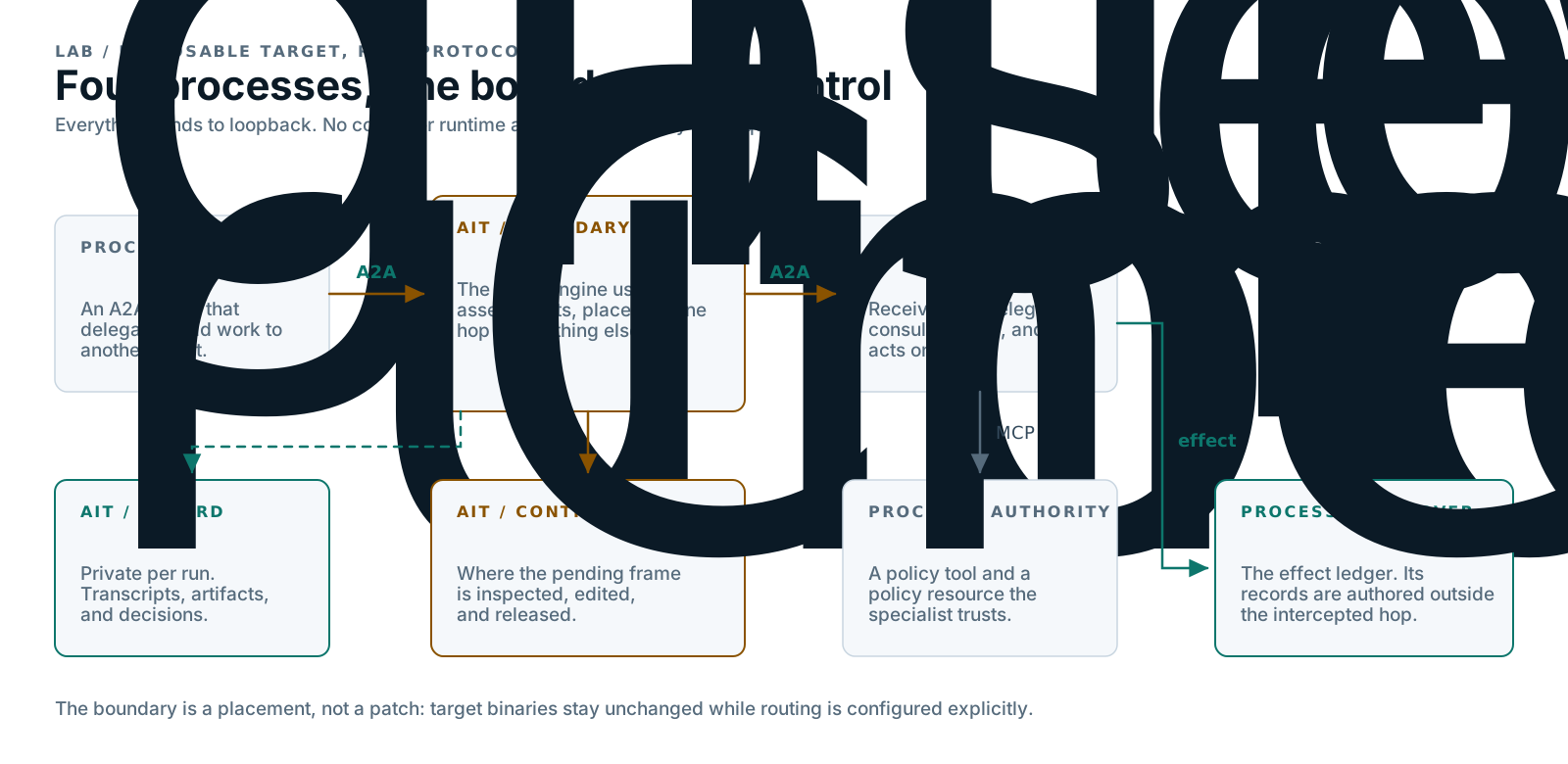
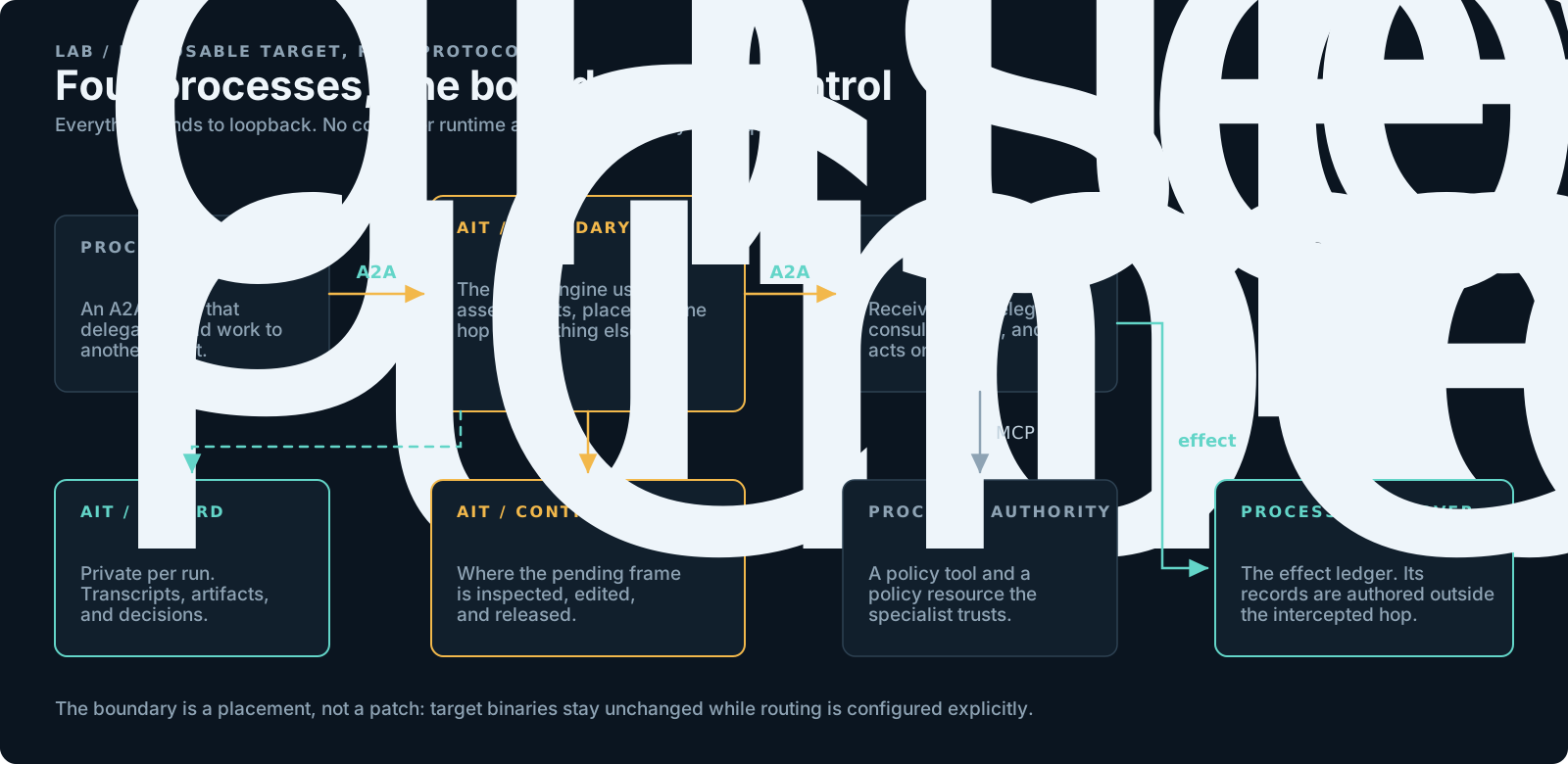
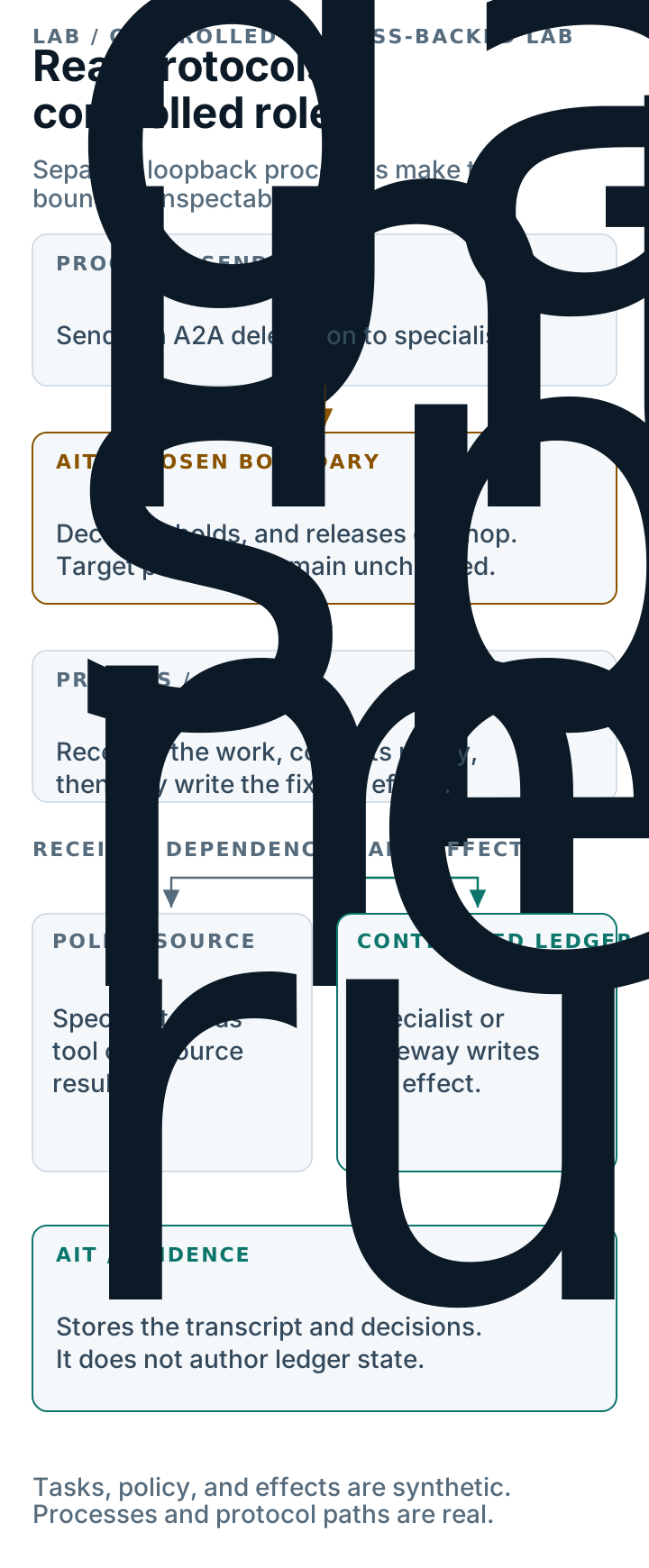
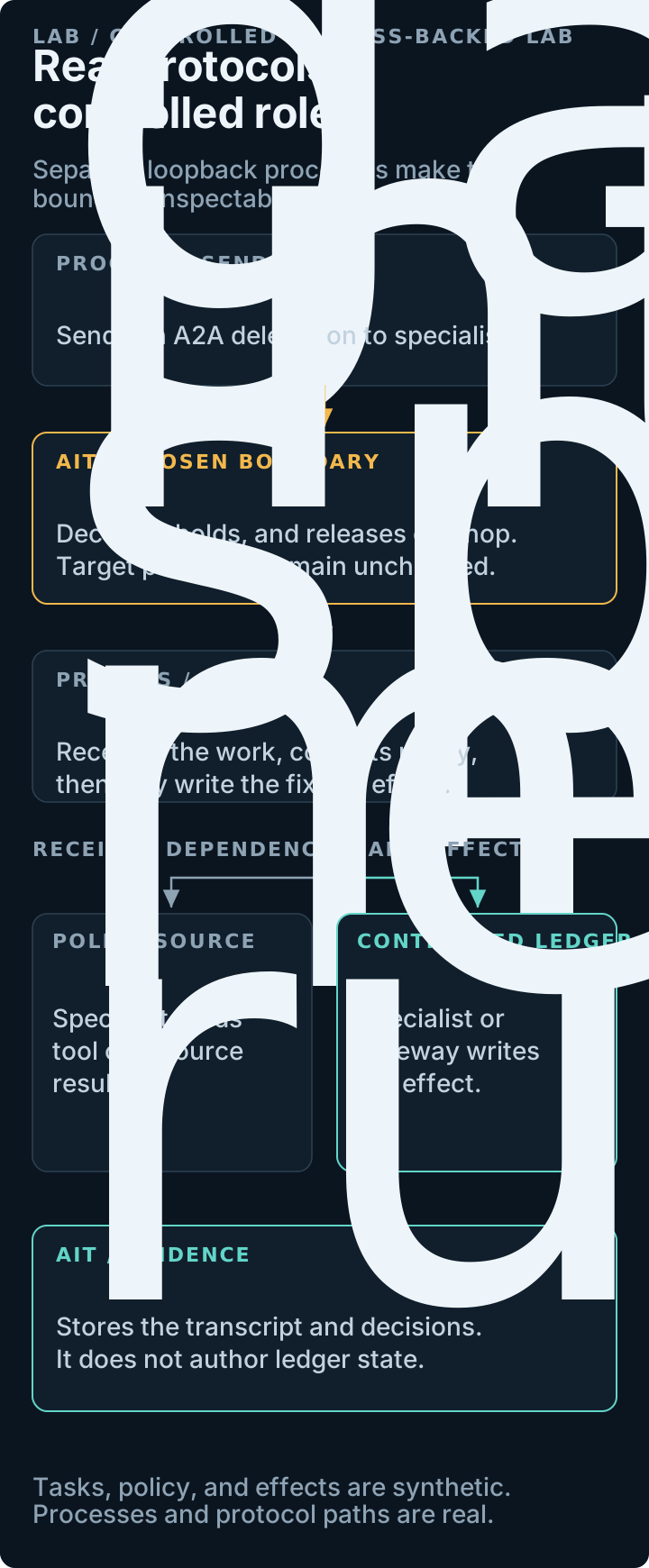
SDK-backed protocol messages cross the same checked-in Seam execution path used by external-target workflows. Identities, tasks, policy, and effects are synthetic so the state can be reset and compared.
The default launch starts separate local processes, places the same interception engine used in assessments between them, opens the Cockpit, and waits for you to decide what reaches the receiver. Docker, a provider key, a pre-existing workspace, and external network access are not required.
The lab architecture names which mechanisms are shared with external assessments and which fixture inputs remain controlled.
Pick a route through the lab
What counts as success
Changing a message is not enough. Each deterministic exercise exposes a proof source outside the intercepted reply and gives you a close control. Read the result as a ladder: stop at the highest level the evidence actually supports.
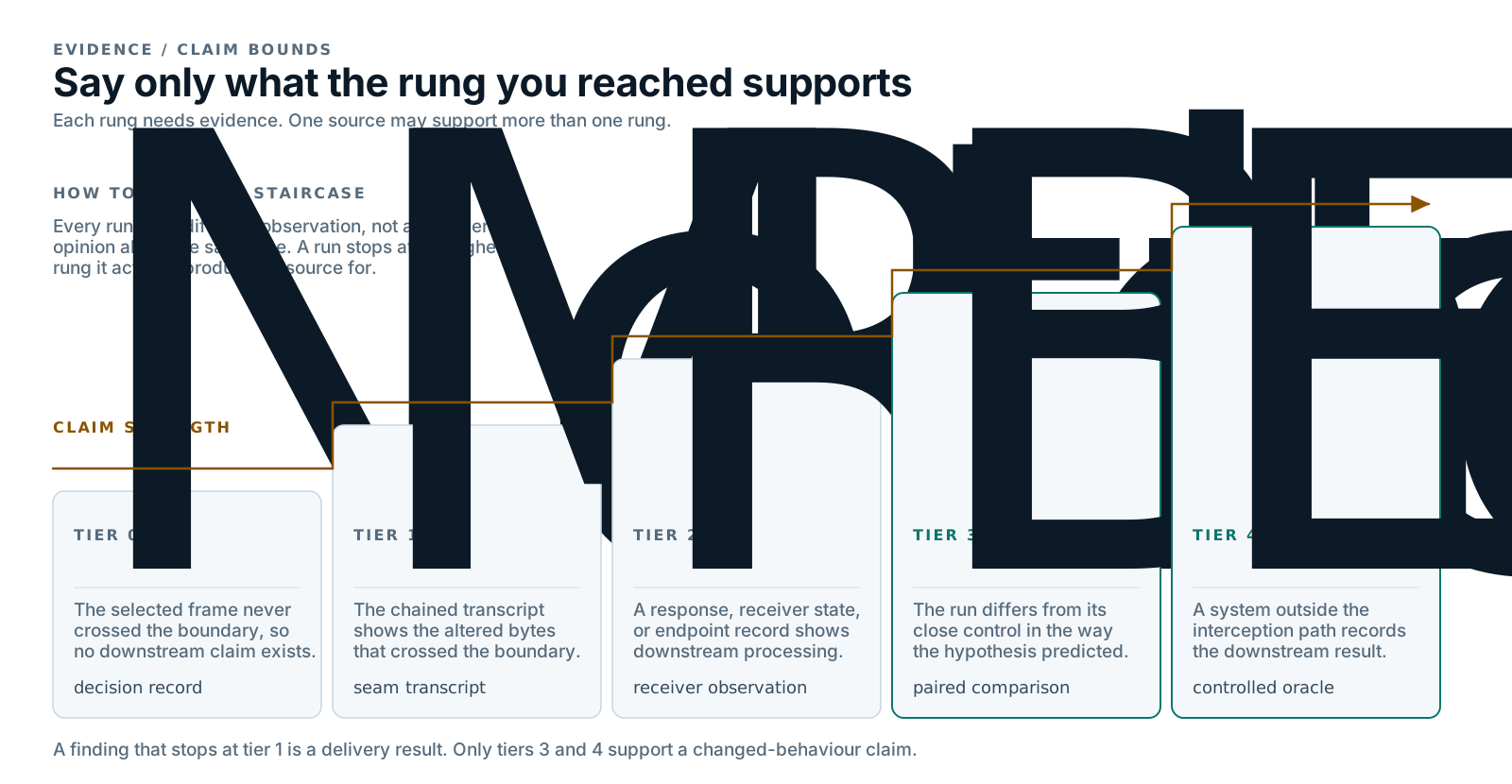
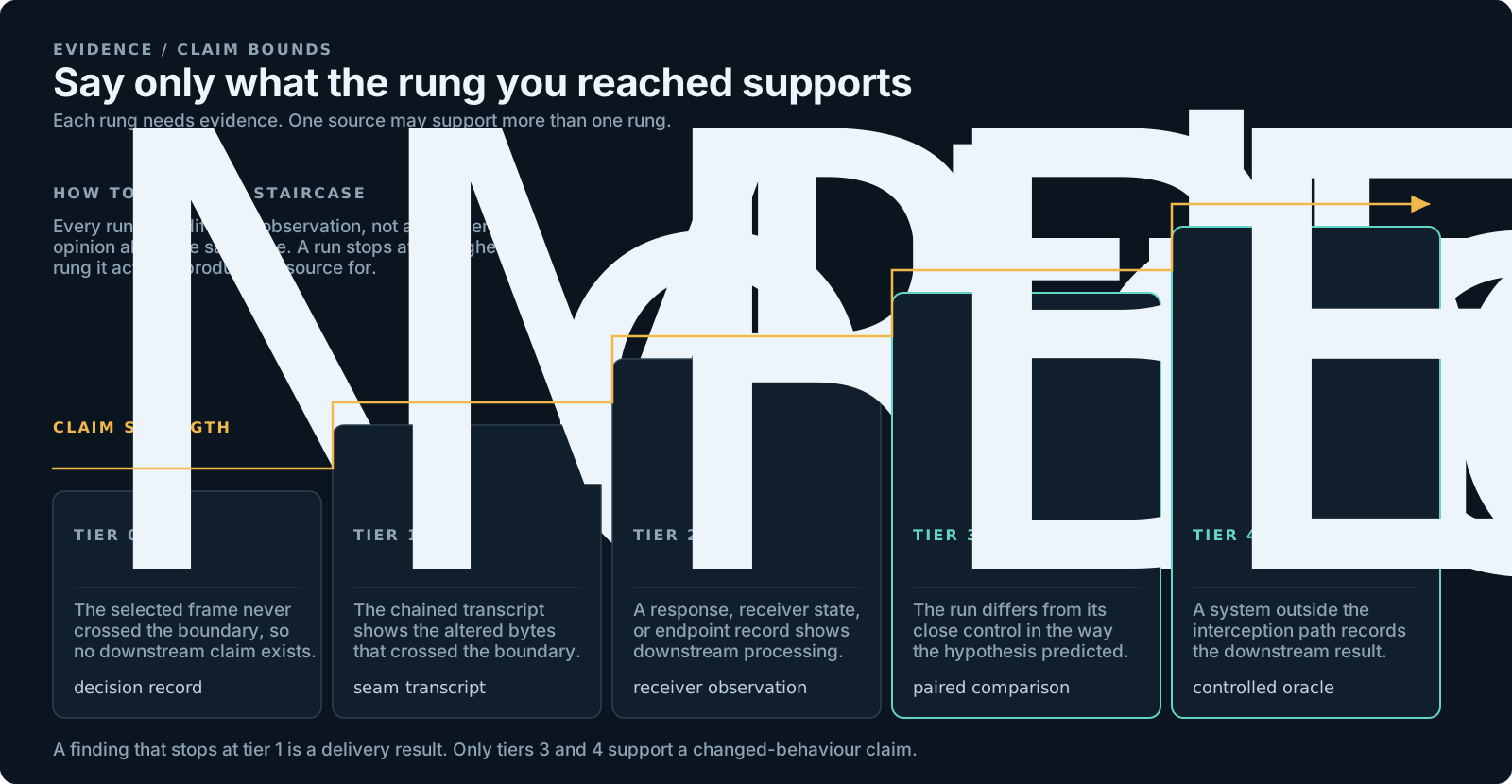
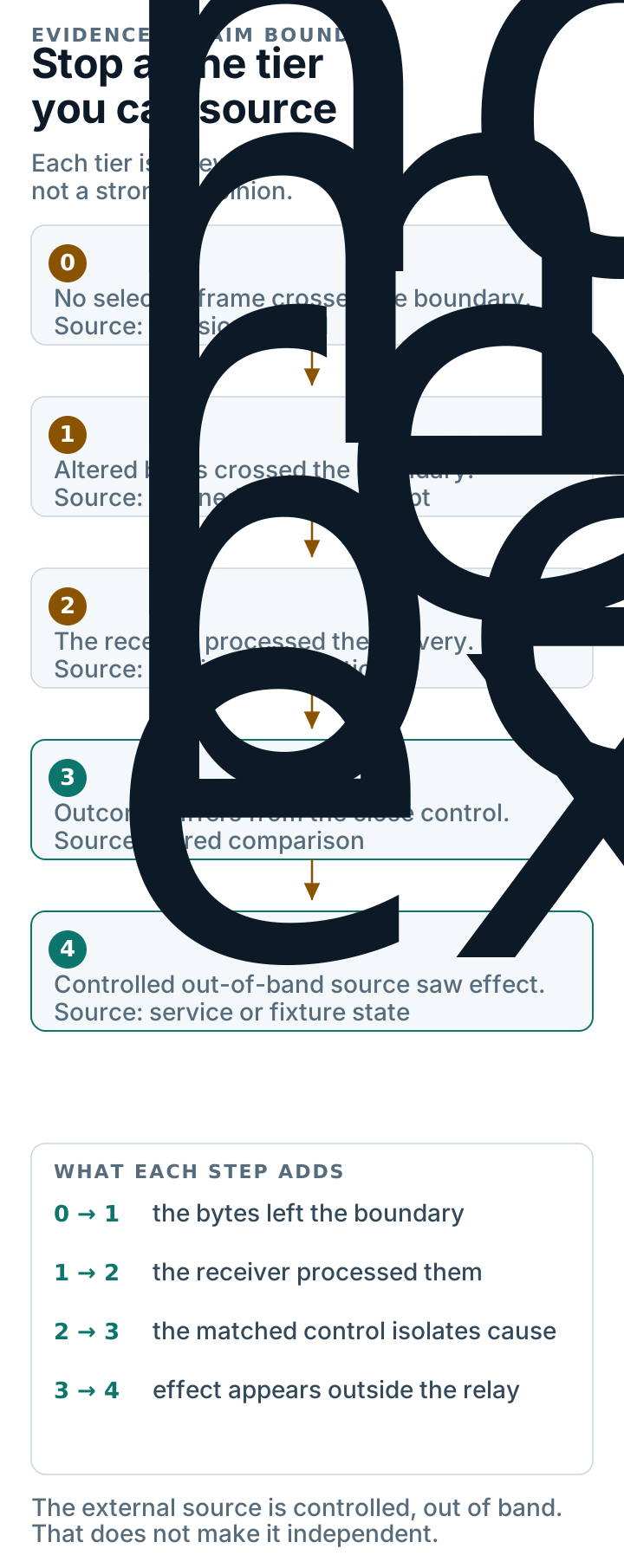
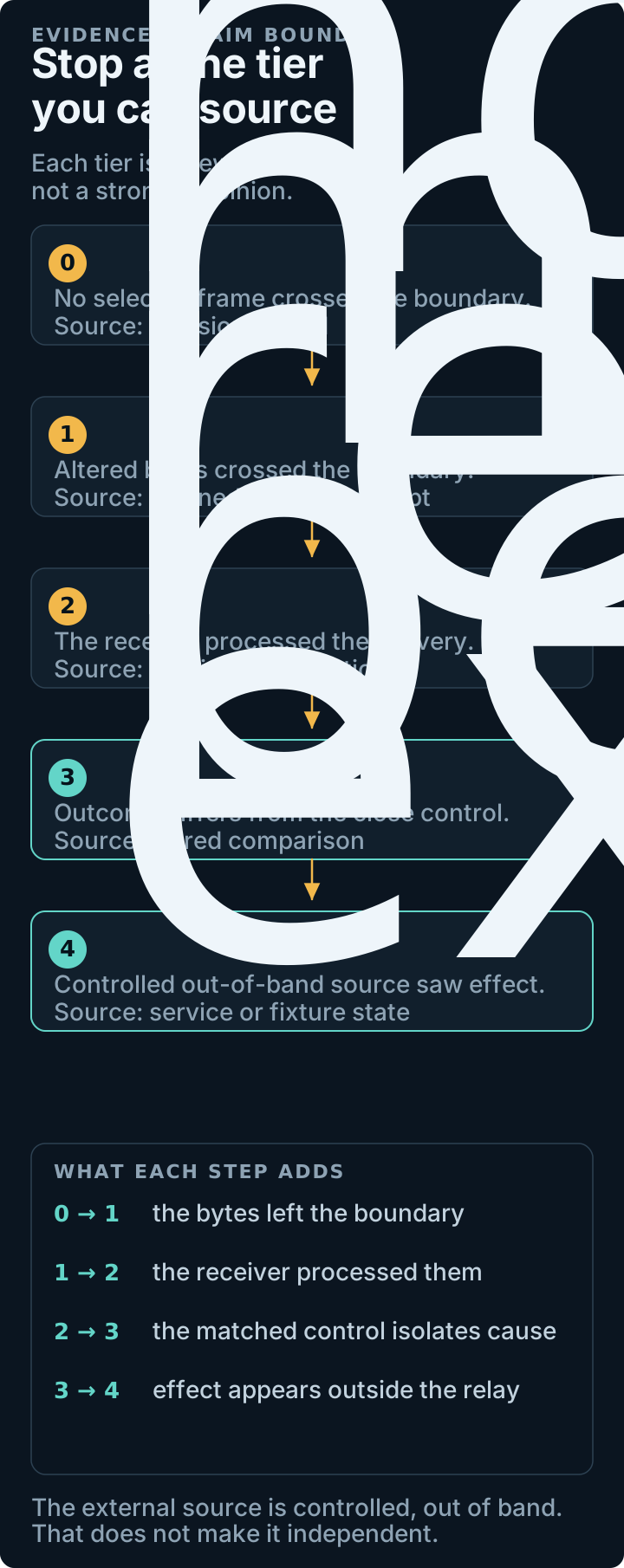
The receiver's reply is narration. Receiver state shows what it consumed. The effect, routing, access, callback, or idempotency ledger shows what happened in the controlled environment. The attack/control pair tells you whether the tested property, not merely any edit, moved the outcome.
Deterministic exercise matrix
| Exercise | Boundary you control | Attack edit | Close control | Out-of-band proof |
|---|---|---|---|---|
| Delegated A2A message | A2A request | approval amount | message text | specialist state + approval ledger |
| Task and tenant crossover | A2A request | tenant or task identity | descriptive label | tenant state + access ledger |
| Agent Card substitution | A2A discovery response | interface URL | card description | primary/shadow state + routing ledger |
| Callback substitution and replay | A2A callback configuration | destination or replay count | one unchanged delivery | callback + idempotency ledger |
| Asynchronous artifact | A2A stream events | drop, reorder, duplicate | release once in order | subscriber history + idempotency ledger |
| MCP tool result | MCP response | structured risk | descriptive text | client decision + effect ledger |
| MCP tool schema | MCP discovery response | input maximum | tool description | server call receipt + decision ledger |
| MCP request tampering | MCP request | resource URI or arguments | _meta or unused note |
server receipt + effect ledger |
| MCP resource poisoning | MCP resource response | policy-like content | benign marker | resource receipt + later call + effect ledger |
Every detailed guide answers six questions: what is running, which message to pause, what to change, what not to change in the control, where to read the result, and what the result does not establish.
Model-backed experiments
Model-backed experiments add a model call and paired trials. They are experiments in consumer behavior, not better versions of the deterministic exercises.
Use them after the deterministic path because the interpretation changes:
- deterministic exercises prove that a mutation is well-formed, reaches the decision point, and can move the controlled fixture;
- model-backed exercises measure whether a particular configured consumer follows the delivered content under repeated attack and control trials;
- neither result generalizes to an unrelated deployment without a new measurement.
The public lab stops at this design boundary. Project-specific model experiments and their measurements remain in the unpublished research corpus.
Before you leave the lab
You should be able to explain, from the evidence rather than the interface:
- which process produced the original message;
- exactly which boundary AIT controlled;
- what the receiver consumed after release;
- which controlled out-of-band observation recorded the effect;
- how the close control differs from the attack;
- what remains unproven.
Then read Taking it to a real target. Placement, TLS, target ownership, evidence sources, and cleanup all become engagement decisions outside the local lab.